In 2025/2026, UK workplace break culture stands at a crossroads. While workers overwhelmingly recognise the value of breaks for wellbeing and productivity, many struggle to take them due to workload, workplace norms, and hybrid working patterns. Traditional practices like tea breaks are declining, but there is significant employee demand for purposeful break spaces, quality refreshments, and social connection opportunities.
1. Break Practices & Patterns
Break Frequency Trends
Only 41.5% of desk workers take at least one break per hour, meaning a majority are not breaking up prolonged desk time as recommended for physical and mental health. Nearly one-third of workers sit for 3+ hours without a break during the workday. Hybrid workers are less likely to take breaks than fully remote or office-based employees.
Break Duration & Lunch Culture
The average UK lunch break is under 33 minutes, with 48% eating lunch alone — reducing social interaction opportunities. 10% of workers report taking no breaks at all in a typical working week.
Work Through Breaks (Boundary Collapse)
65% of employees go an entire workday without taking any break, and 60% even respond to work messages from the bathroom or toilet, indicating high levels of break neglect and boundary collapse. 30% feel guilty taking a break, especially younger workers and women who are more likely to work through lunch.

2. Why Breaks Matter
Breaks & Productivity
Research shows that coffee breaks can boost productivity by 23% and significantly improve job satisfaction — absence of these breaks correlates with reduced morale and higher disengagement. Studies show employees report decreases in job enjoyment and productivity when traditional coffee breaks are removed, and may even consider leaving their job.
Employee Wellbeing
Breaks improve motivation, reduce stress, and help workers recharge — 73% say lunch breaks make them more productive, and 82% say breaks overall improve productivity. Regular breaks also support physical health by reducing prolonged static desk time, which is associated with increased stress and musculoskeletal strain.
3. Social Trends — Tea, Coffee & Culture
Traditional Breaks in Decline
Nearly half of UK workers rarely engage in traditional tea breaks with colleagues, especially younger workers — eroding informal social connection moments previously critical for workplace cohesion. Despite this shift, 45% want to revive tea break culture for stress relief and team bonding.
Social Connectivity
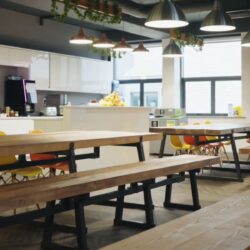
Breaks remain an important foundation for workplace relationships — their absence contributes to weakened social ties and poorer workplace culture. Quality break spaces and communal refreshments significantly increase the likelihood of social interaction, according to employee feedback.
4. Workplace Design & the Cost of Break Neglect
Business Impact of Poor Workplace Design
Poorly designed workplace environments — including inadequate break spaces — are estimated to cost the UK economy up to £71bn annually due to lost productivity and disengagement.
Lost Time & Satisfaction
Poor break infrastructure is linked to:
- Reduced employee satisfaction.
- Increased time wasted navigating ineffective spaces.
- Loss of opportunities for informal collaboration and decompression.
5. Work Culture Shifts Affecting Breaks
Hybrid Work & Break Patterns
Hybrid work arrangements correlate with lower frequency of breaks, possibly due to fewer structured social cues that come with office presence.
Hustle Culture & Boundary Erosion
Many UK workers are pushing back against excessive ‘hustle’ norms, with some enforcing stricter work-life boundaries — yet this does not necessarily translate into healthier break habits.
6. Employee Expectations & Workplace Break Provision
A large majority of UK workers believe it’s important for employers to provide proper break spaces where they can relax and recharge. Access to food and drink during breaks directly correlates with increased socialising and networking among colleagues.
Recommendations for Employers – Prioritise Purpose-Built Break Spaces
Invest in areas that:
- Encourage social interaction.
- Support quiet recharge and focused rest.
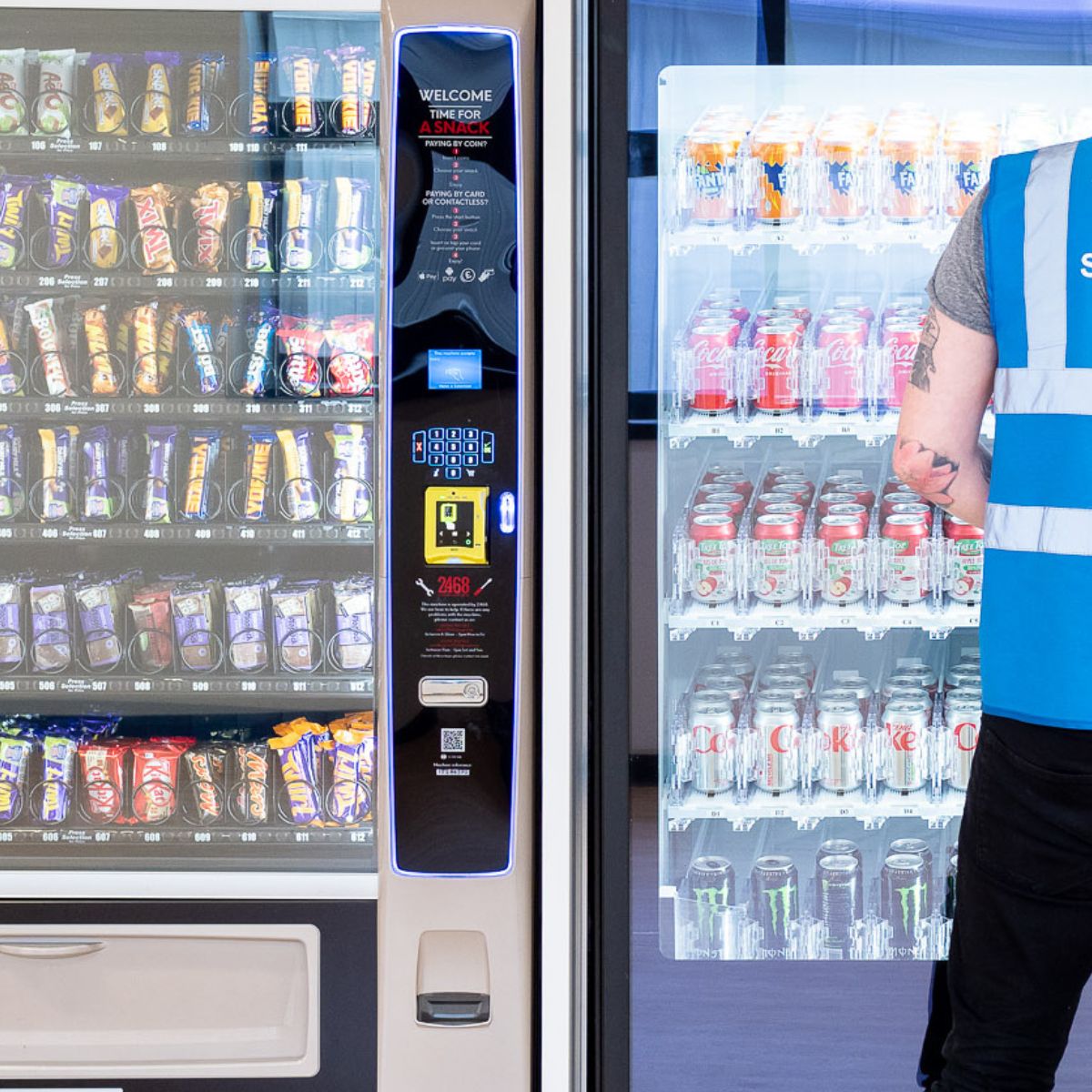
- Include quality coffee, tea, hydration, and fresh food.
Facilitate Culture Around Breaks
- Promote structured break times.
- Offer coffee/tea tastings and refreshment trials.
- Actively encourage breaks in employee communications.
Measure & Improve
- Track footfall in break areas.
- Regularly survey employee break satisfaction.
- Monitor impacts on productivity and wellbeing.
Encourage Healthy Break Norms
- Discourage “break guilt” through leadership modelling.
- Educate teams on why breaks enhance performance.
Concluding Insight
While UK workers recognise the value of breaks for productivity, wellbeing, and social connection, actual break practices are declining due to workload pressures, hybrid work fragmentation, and cultural norms that equate busyness with commitment. There’s a significant opportunity for employers to regain social cohesion, improve engagement, and unlock productivity gains by reinvesting in meaningful break experiences and environments — from high-quality refreshments to thoughtfully designed spaces that align with modern work life.
Sources: FMJ, Compass, The Times, Workplace Jornal, Personio, Work In Mind, HR Review, Business Review, HR Wire